

Academic conference survival guide
Episode 3 - A day in the life of a grad student (conferences)

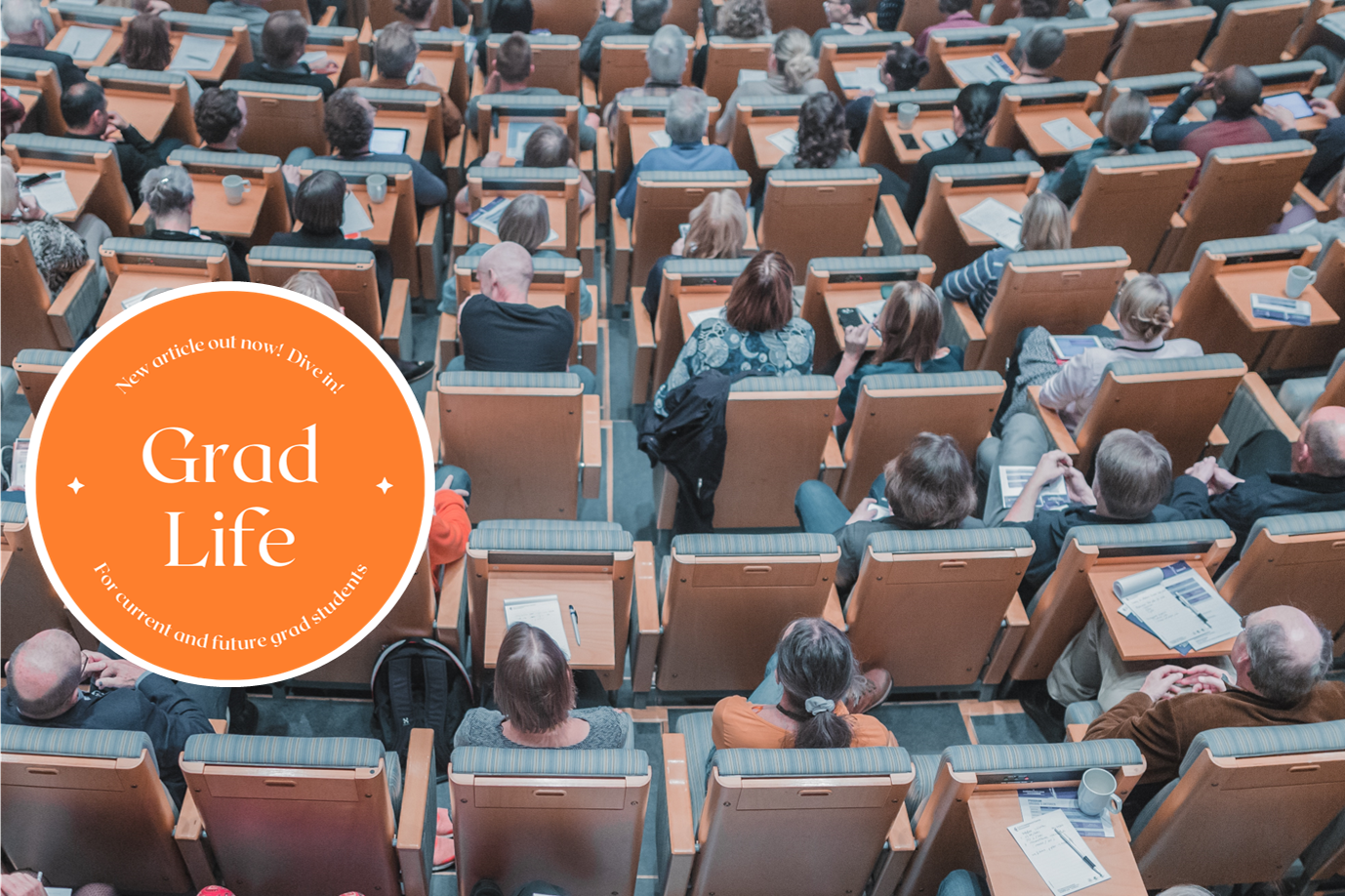
Going to local and international conferences is (read: should be) a regular part of any graduate degree. Conferences are an opportunity for you to finally share the results of your hard work with your peers, and network with others in your field to hopefully get some perspective on areas of research you might not be as familiar with.
Going to a conference can also be a daunting experience. From abstract submission, to applying for travel grants, there is no shortage of administrative hoops to jump through just to get there. And once you get to the conference, there’s the anxiety of not knowing where to go or what presentation to see or who to talk to. It is important not to let this anxiety sabotage what is meant to be an incredible learning experience for you.
The first step to overcoming this is to learn a bit more about what actually happens at a conference, to properly set your expectations for the event and clarify what the event’s expectations are of you. While every conference is a bit different in terms of schedule, seeing how even one type of conference runs will give you some idea of how they all do.
In the spirit of this newsletter, I wanted to demystify the idea of academic conferences by sharing my experience as a presenter at the annual McMaster University Chemical Engineering Conference (MUCEC) this past April. From registration to the closing ceremonies, the following section goes through the schedule and outlines the opportunities and takeaways for a grad student at each step.
8:00am – Arrive and register
Sign-in, pick up a name tag, put up your poster (if you have one), get directions from the organizers. Simple.
Goals and Opportunities: Clear up any questions you have about the agenda. Get on the organizers’ good side, be friendly, personable, and efficient.
8:30am – Meet and greet
Get a coffee/tea, say hi to some familiar faces, explore the venue space and familiarize yourself with where you will need to go for different sessions.
Goals and Opportunities: This is a chance to look around the venue, make sure that you know where everything is, and reintroduce yourself to any colleagues you might have already met. It is also an opportunity to take a minute to breathe and to remind yourself that you belong there.
9:00am – Keynote Speaker
They keynote speaker is another main reason to attend conferences. These speakers are typically experts in their field with years of experience that they are willing to share with you. To appeal to a broader audience, keynote speakers often skip past technical details, favoring a discussion of their career timeline and what decisions brought them to where they are today.
Goals and Opportunities: Soak up as much information as you can, and don’t be afraid to ask questions. If you don’t have the opportunity to ask after the talk, try to find some time during the day to ask, and remember to thank the speaker for their talk.
10:00am – Round 1 of talks
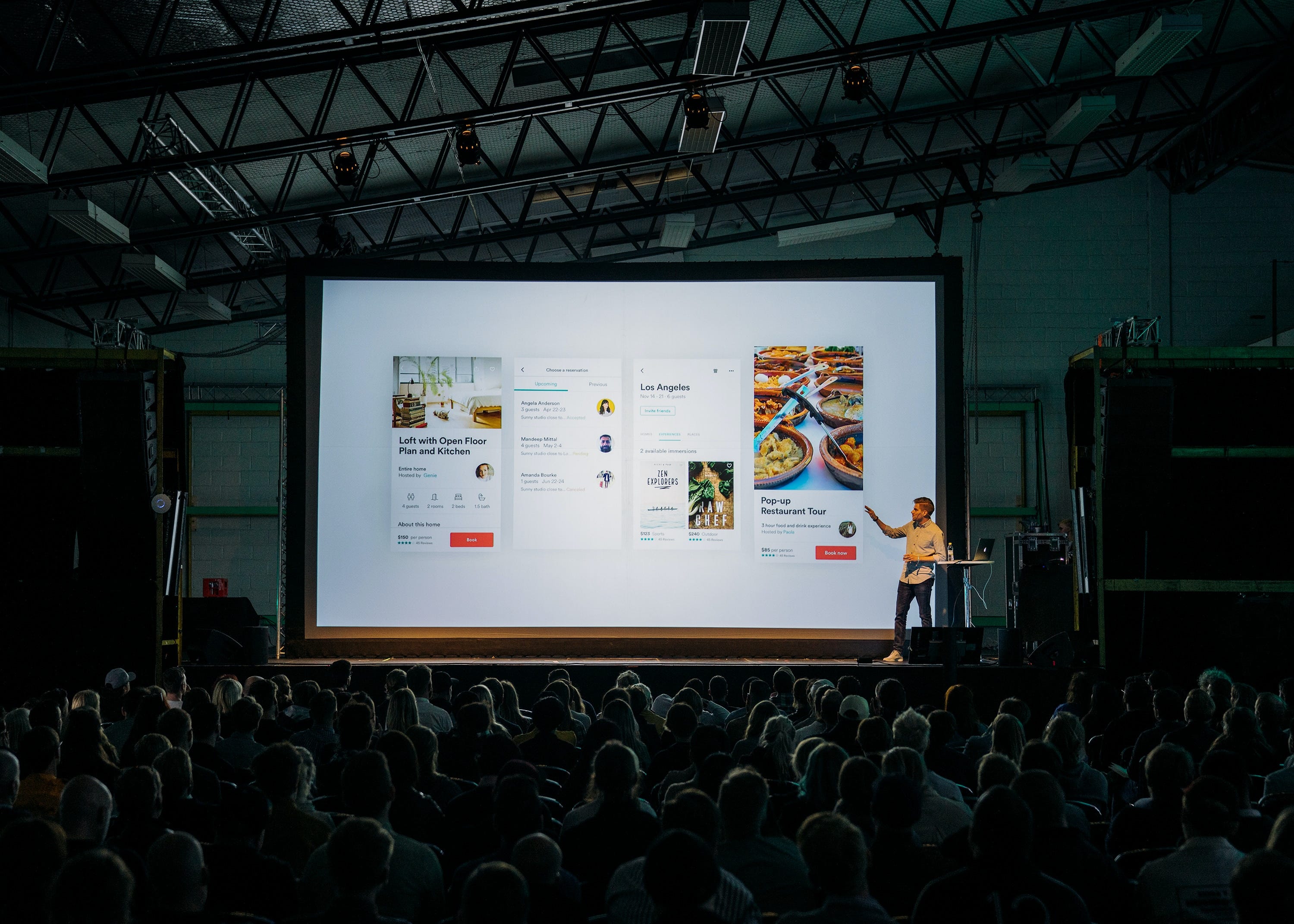
At MUCEC, after the keynote speaker had finished, the first round of student lead presentations began. This session lasted around 2 hours with each presentation taking 10 minutes + 5 minutes of questions.
Goals and Opportunities: Try to identify parts of another student’s research that could be valuable to your project. Make notes on this work and find time during the day to ask them about it. For example, listening to a discussion on drug delivery research I heard about a technique used to measure tapped density of a powder. While my work is on energy storage materials, the technique seemed like it could still be useful.
12:00pm – Lunch
Everyone’s favourite part of the conference. Free (with the cost of admission, travel, and years of your time researching) food and a chance to chat with your peers.
Goals and Opportunities: While it can be tempting to just sit and chat with people you already know, the lunch break is a great chance to start networking. Challenge yourself to meet at least 3 new people and try to ask about their research rather than focusing on your own.
1:00pm – Round 2 of talks
I always try to take 1-3 key points from each talk. These can be interesting techniques, figure designs, presentation styles, novel research, or even how the speaker addresses the room. In this way, I try to find value in each presentation regardless of how similar the work is to my own.
See “Round 1 of talks” for more info.
3:00pm – Poster session
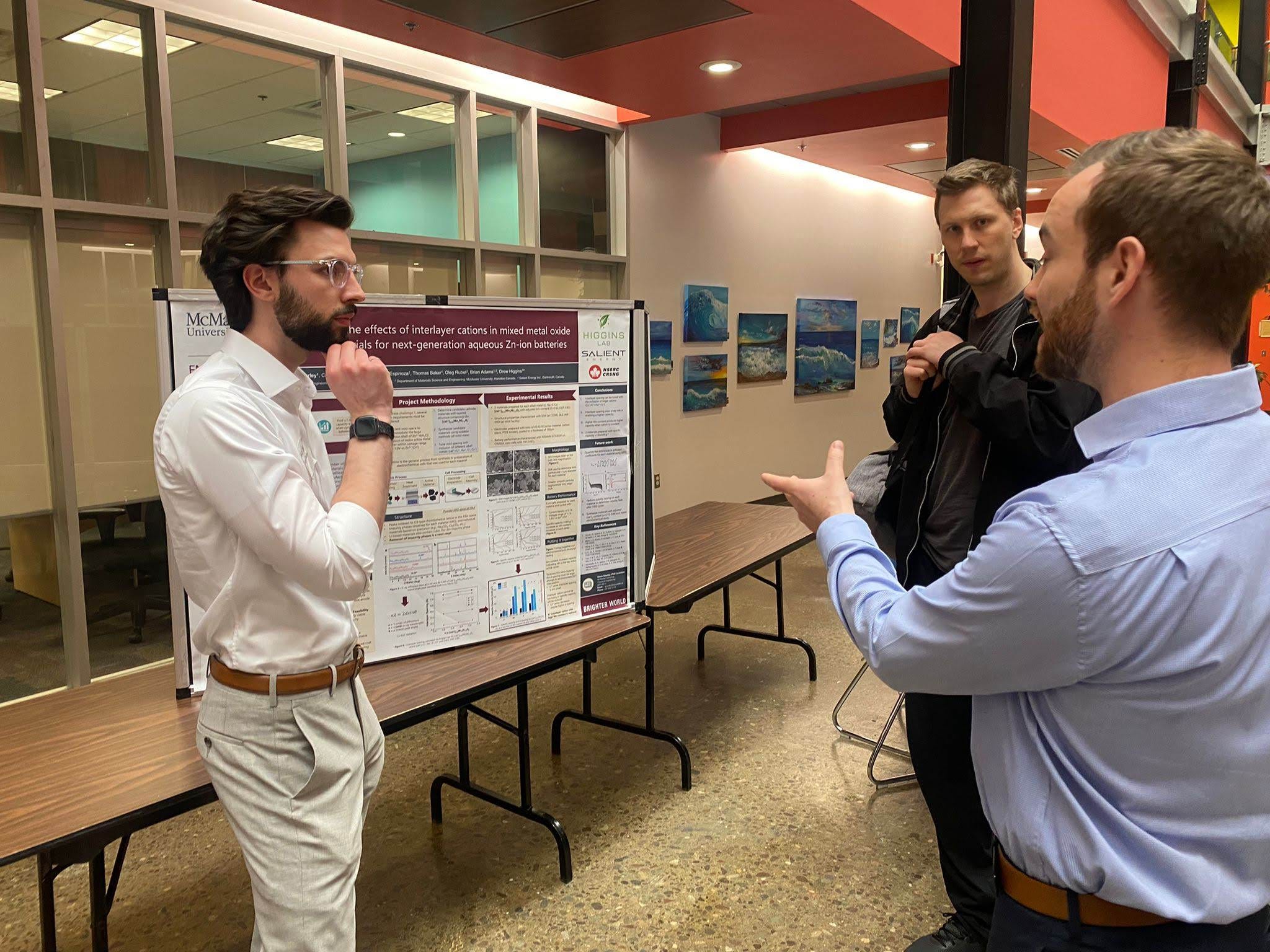
What you do in this session largely depends on if you are presenting or just viewing the posters. As a presenter, stand next to your poster and greet people who come by, ask if they have any questions and do your best to answer clearly. Some researchers like to go through their entire poster when a large enough group shows up, some prefer only to answer questions. Either strategy works, so do what you are most comfortable with. As a viewer, try to engage with the presenters as best you can, and explore all the posters that are around rather than just focusing in on 1 or 2. If you are anxious about interacting with the presenters, remember that they are likely just as nervous as you are and that this is a safe environment for everyone to learn rather than be judged.
Goals and Opportunities: This is another chance to network. As a presenter, make a case for why your work is relevant and try to attract collaborators by asking if they work on any similar topics. As a viewer, talk with others viewing the same poster as you. Ask why they find that topic particularly interesting and how their work relates.
4:00pm – Closing ceremonies
Thank the organizers for their hard work, congratulate award winners (if applicable), and reflect on what you learned.
Goals and Opportunities: Make sure to get the contact information for anyone that you network with and plan for a follow-up if you think it would be useful. This is also a good time to reflect on the day. Try to come up with a list of the most important/interesting things that you learned and can take forward for your own work.
Wow that looks like an award-winning poster!